Sub-Zero 601F Sealed System & Compressor Overhaul
📞 Call (346) 512-3688🔧 Performed by Alex
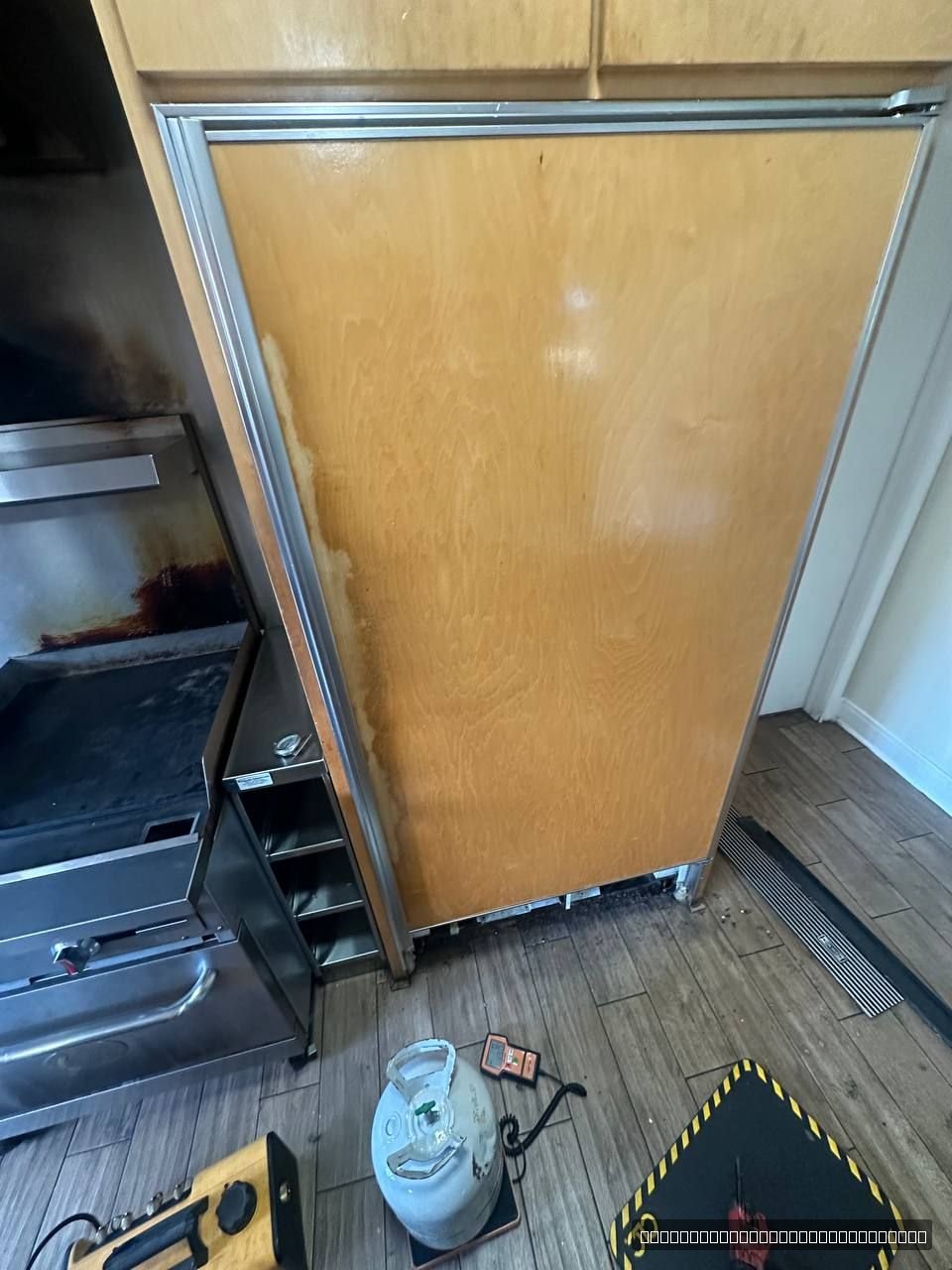
The Problem
- •Refrigerator not cooling — food spoiling even though compressor runs constantly
- •Compressor feels extremely hot to the touch and runs without cycling off
- •Interior temperature stays well above safe food storage range despite unit running
- •Unusual compressor noise and frequent thermal overload trips
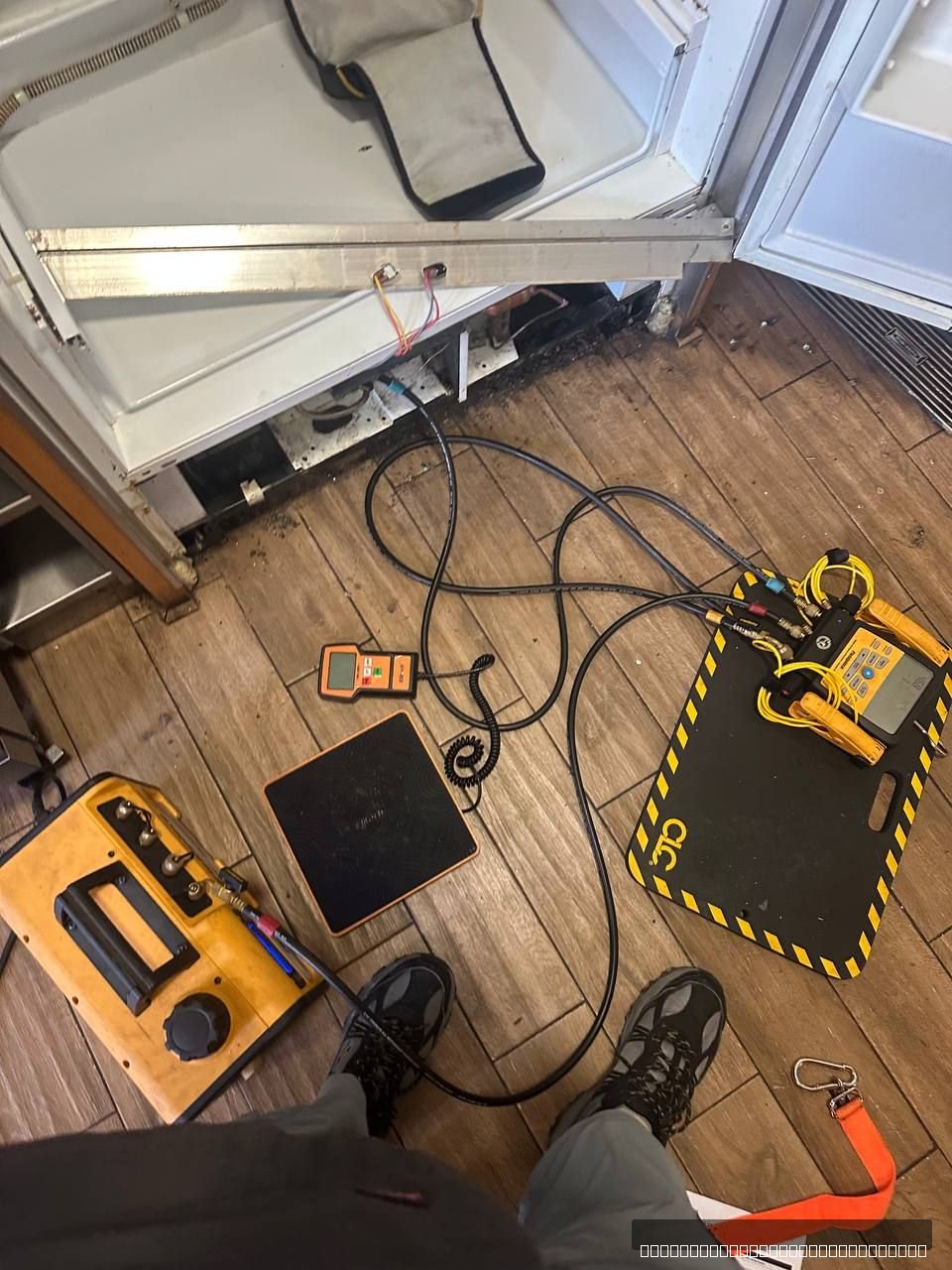
🔍 Diagnosis
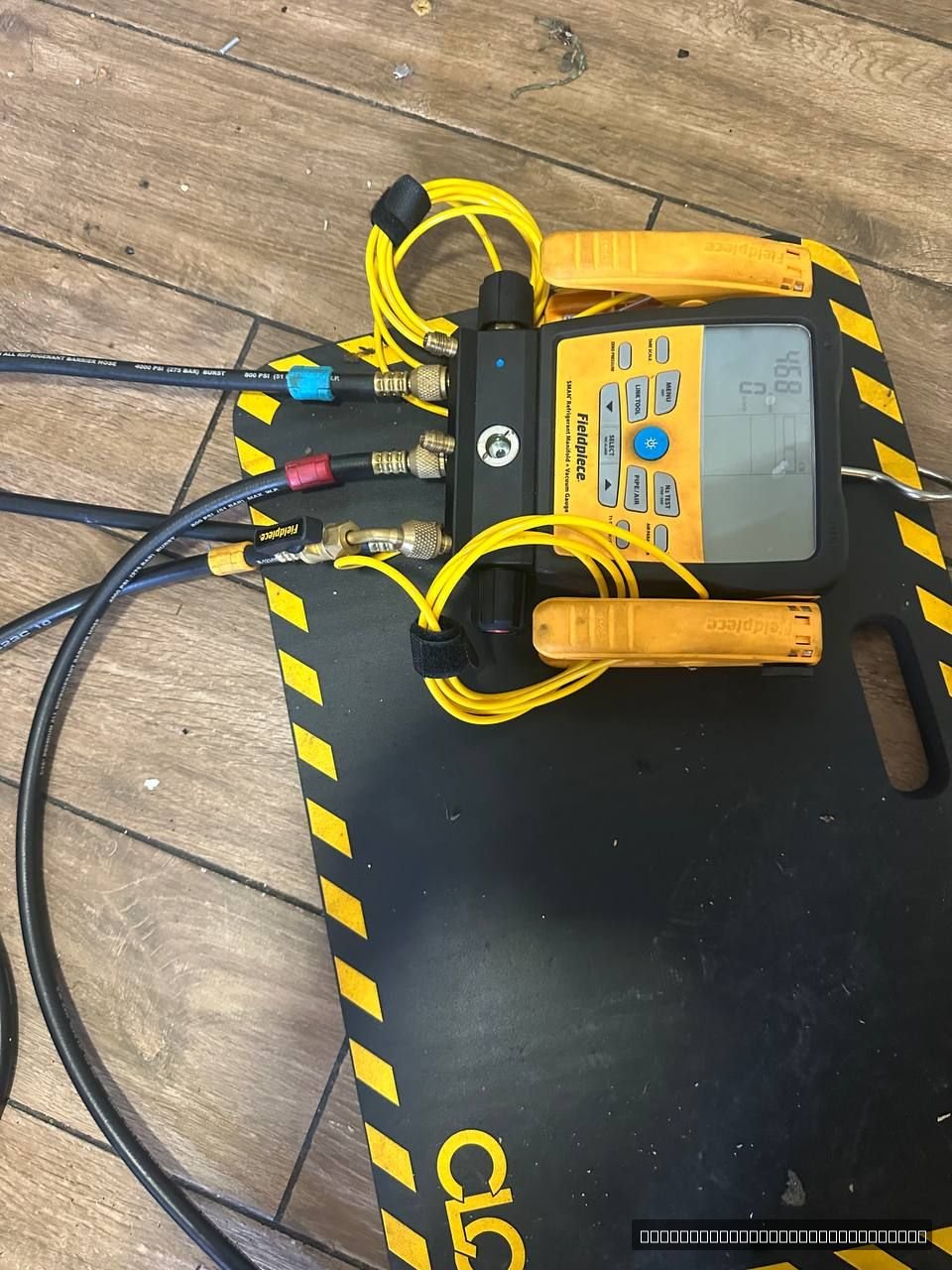
Upon arrival, the Sub-Zero 601F (manufactured August 2000, Madison WI) presented a classic sealed-system failure pattern: compressor running continuously, excessive heat at the compressor body, and a cabinet temperature well above the safe 37°F target. The unit operates on 115V/60Hz single-phase power with a rated current of 3.0 A and uses R-134a refrigerant. A Fieldpiece SMAN manifold was connected to both the high and low sides of the sealed system. Low-side pressure was critically below normal operating range, and the high side showed abnormally suppressed readings — indicating severely restricted refrigerant flow rather than a simple leak. Compressor windings were tested with a digital multimeter: start, run, and common winding resistances were all within specification, and no winding-to-ground faults were detected, confirming the compressor motor was electrically intact. Behavioral analysis under load revealed the true culprit: an abnormal pressure differential across the filter-drier, consistent with complete mechanical blockage. Refrigerant circulation had essentially ceased. With the lower access panel removed, physical inspection of the compressor compartment confirmed severe heat damage — charred insulation substrate and carbon deposits beneath and around the compressor body. This indicated the compressor had previously operated at critical temperatures, causing lubricating oil to degrade and decompose into acidic carbon sludge, which had fully saturated and blocked the filter-drier. Start relays on a 25-year-old unit were also flagged for preventive replacement.
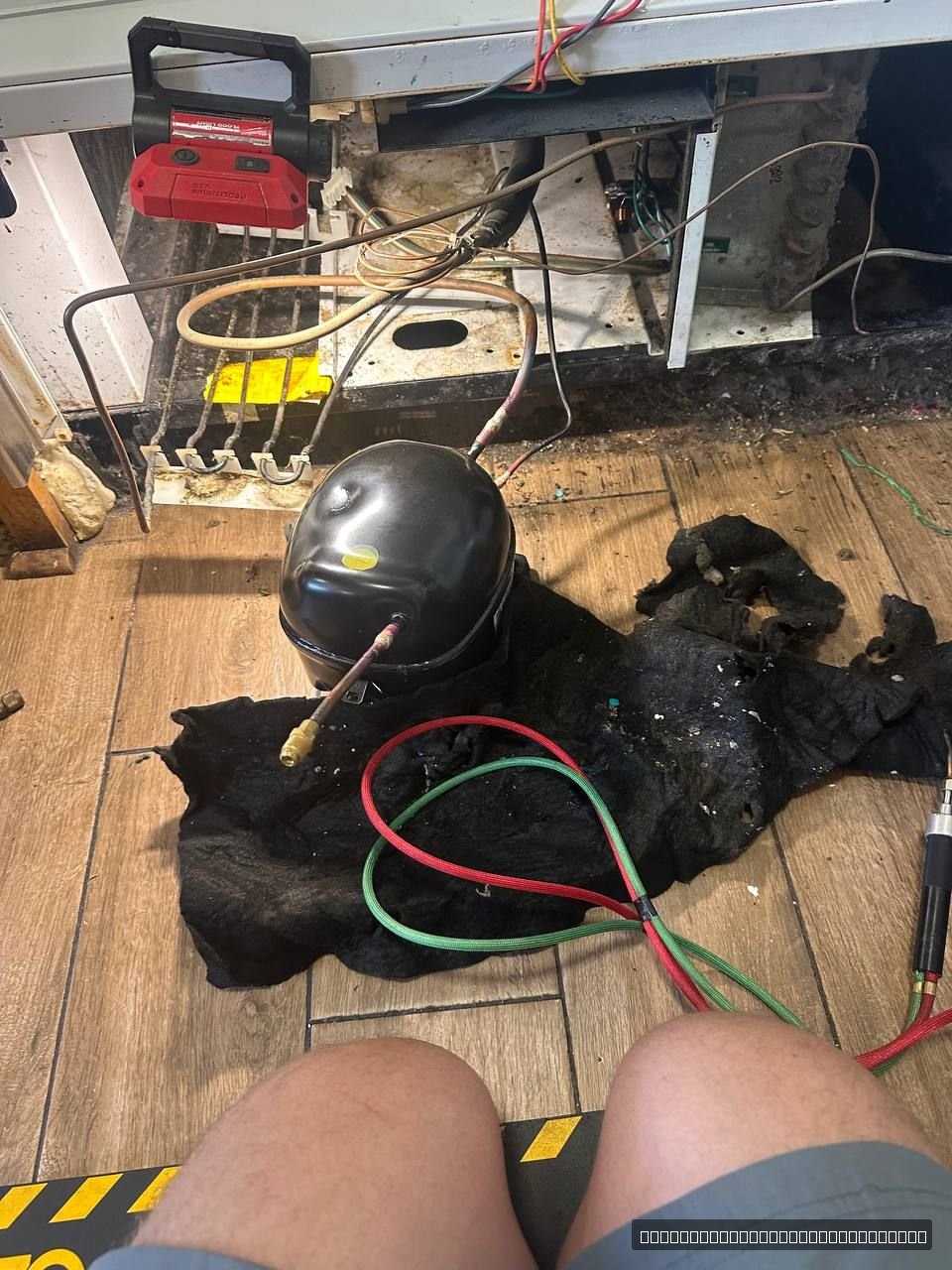
🔧 The Repair
- ✓Connected Fieldpiece recovery station to the sealed system and recovered all remaining R-134a refrigerant into an approved recovery cylinder in full compliance with EPA Section 608 regulations — zero atmospheric release.
- ✓Removed lower access panel and compressor compartment cover to expose the sealed system components. Documented and photographed heat damage: charred insulation pad, carbon deposits around compressor base, and contaminated oil residue.
- ✓Disconnected the failed original compressor from copper refrigerant lines and electrical connections. Set aside for EPA-compliant disposal.
- ✓Performed multi-directional dry nitrogen (N₂) flush of the entire refrigerant circuit — from compressor discharge through the condenser, capillary tube, evaporator, and suction line. Multiple purge cycles were run in both directions to mechanically dislodge carbon sludge, degraded oil residue, and acid deposits. Effluent confirmed heavy contamination: dark particulate suspension with distinct burnt-oil odor.
- ✓Installed a new compatible replacement compressor rated for R-134a service with the correct displacement volume for the 601F model. Compressor mounting grommets inspected and replaced as needed.
- ✓Performed all copper line brazing using nitrogen brazing technique (N₂ purge flowing through the tubing interior during all torch work) to prevent oxide scale formation inside the refrigerant circuit — a critical step after contamination cleanup.
- ✓Removed and discarded the fully saturated original filter-drier. Installed a new bi-flow bi-metal filter-drier of the correct line diameter and desiccant capacity to protect the freshly cleaned circuit from residual moisture and particulates.
- ✓Thoroughly cleaned the condenser coil: initial dry vacuum extraction of compacted dust and grease deposits, followed by compressed-air blow-through perpendicular to the fins to restore full airflow and heat-rejection capacity.
- ✓Replaced both start relays (PTC-type) and inspected the overload protector — all replaced preventively given the unit's 25-year service age. New relays ensure clean compressor start cycles and prevent repeated thermal overload trips.
- ✓Connected Fieldpiece SMAN manifold and a dual-stage vacuum pump. Evacuated the sealed system to below 500 microns and held vacuum to verify system integrity — pressure rise was within acceptable limits, confirming no leaks at any brazed joint.
- ✓Recharged system with R-134a using a Fieldpiece digital refrigerant scale, weighing in the exact factory charge per the appliance data label. Both high-side and low-side pressures were monitored throughout charging and confirmed within specification at completion.
- ✓Energized the unit and observed compressor startup: clean, quiet start with no relay chatter. Monitored suction and discharge pressures stabilizing at correct operating values. Recorded cabinet temperature drop over a 60-minute period to confirm full cooling restoration.
✓ Result
After completing the full sealed-system overhaul, the Sub-Zero 601F compressor started cleanly and ran without interruption. High- and low-side pressures reached correct steady-state values within minutes. Cabinet temperature dropped steadily and reached the target range of 35–38°F within approximately 90 minutes of startup. The condenser ran cool and the compressor body temperature normalized completely. The customer, who had been tolerating inadequate cooling for an extended period, was visibly relieved. A 90-day parts-and-labor warranty was provided on all replaced components.
💡 Technician Notes
Sub-Zero refrigerators are built to last decades, but the sealed system has finite limits — especially when warning signs go unaddressed. On any unit from the 601 series, pay close attention to a compressor that runs continuously without cycling off: this is the earliest reliable warning that refrigerant flow is restricted or charge is low. Never ignore it for weeks or months, as continuous compressor operation under those conditions accelerates oil degradation and leads to exactly the kind of severe contamination found in this case. For Sub-Zero owners: keep the condenser coil clean. On the 601 and similar models, the condenser is located in the lower machine compartment. Vacuum it out every 6–12 months — more frequently in homes with pets. A clogged condenser forces the compressor to work harder and hotter, shortening its service life significantly. Also note that on machines over 15 years old, start relays should be considered a maintenance item, not just a failure-reactive replacement. Proactive relay replacement during any sealed-system service is always the right call.
Frequently Asked Questions
Why did my Sub-Zero 601F stop cooling even though the compressor is still running?
A running compressor that isn't cooling usually means refrigerant flow is blocked — most often by a clogged filter-drier. On older Sub-Zero units like the 601F, compressor oil breakdown from overheating produces carbon sludge that blocks the drier completely. The compressor runs but circulates nothing, so no cooling occurs. A sealed-system diagnosis with manifold gauges is required to confirm this.
How much does a sealed system overhaul cost for a Sub-Zero 601F, and how long does the repair take?
A full sealed-system repair on a Sub-Zero 601F — including compressor replacement, filter-drier, nitrogen flush, and R-134a recharge — typically requires 4 to 6 hours of labor on-site. Parts and labor combined vary by market, but given the Sub-Zero's build quality and the high cost of replacement, repair is almost always the more economical choice for a unit in otherwise sound condition.
What are the early warning signs that a Sub-Zero 601F sealed system is failing?
Watch for these red flags on a Sub-Zero 601F: compressor running non-stop without cycling off, compressor body that feels very hot to the touch, cabinet temperature rising gradually over days or weeks, and food spoiling faster than normal. If you also notice a burning or chemical odor near the machine compartment, shut the unit down and call a technician immediately — oil decomposition may already be underway.
Is it worth repairing a 25-year-old Sub-Zero 601F, or should I replace it?
Sub-Zero 601-series refrigerators are exceptionally well-built and can realistically operate for 30 or more years with proper maintenance. If the cabinet, door seals, and interior are in good condition, a sealed-system overhaul is almost always cost-justified. New Sub-Zero units of comparable quality cost significantly more than a full compressor and sealed-system repair — making restoration the smart financial decision for most owners.
How long will a Sub-Zero 601F last after a compressor and sealed system replacement?
After a properly performed sealed-system overhaul — including nitrogen flushing, new filter-drier, nitrogen-brazed joints, and an accurate factory-weight refrigerant charge — a Sub-Zero 601F can realistically provide another 10 to 15 years of reliable service. The key factors are keeping the condenser clean, not overloading the cabinet, and addressing any future warning signs promptly rather than letting problems escalate.
Repair Summary
- Brand
- Sub-Zero
- Model
- 601F
- Repair Type
- Sealed System Repair / Compressor Replacement
- Refrigerant
- R-134a
- Root Cause
- Clogged filter-drier from compressor burnout contamination
- Parts Replaced
- ✓Replacement compressor — R-134a compatible, correct displacement for Sub-Zero 601F
- ✓Bi-metal filter-drier — new, matched line size and desiccant type for R-134a system
- ✓PTC start relays (qty: 2) — preventive replacement, age-appropriate for 25-year-old unit
- ✓Thermal overload protector — inspected and replaced as part of compressor electrical assembly
- ✓Compressor mounting grommets — replaced to eliminate vibration transmission
- ✓R-134a refrigerant — factory-specified charge weight per appliance data label
- Location
- Houston, TX 77511
- Status
- ✓ Completed
Service Area
We provide refrigerator repair service in Houston and surrounding areas.
View Houston Service Area →📸 Repair Photos
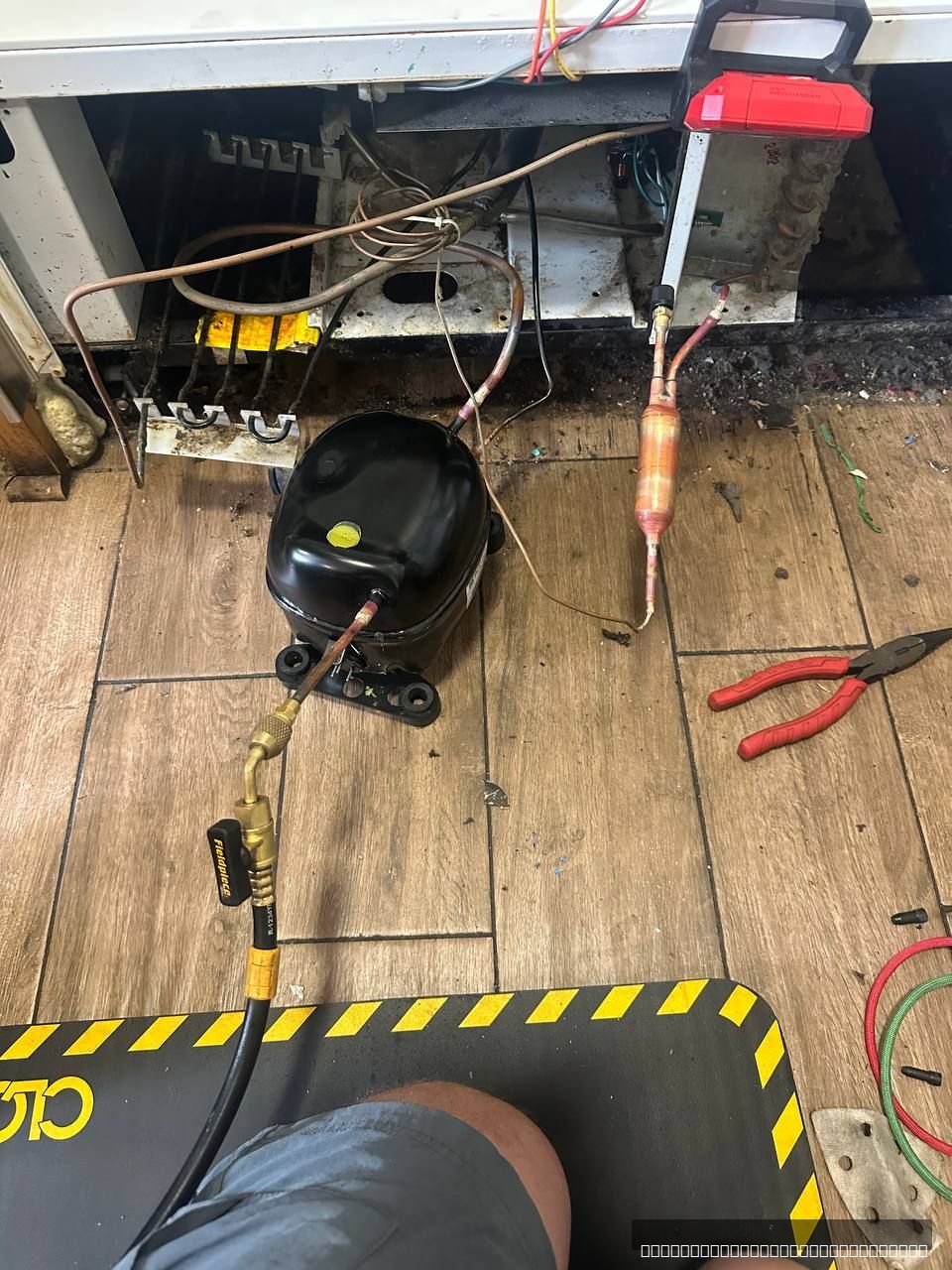
Sub-Zero 601F repair in Houston, TX — photo 5
Sub-Zero 601F repair in Houston, TX — photo 6
Need Sub-Zero Refrigerator Repair in Houston?
We serve Houston and all surrounding Houston areas. Same-day service available.