Refrigerator Troubleshooting Tips From a Houston Repair Technician
By John Smith — Refrigeration Technician, Houston·Serving Houston, Katy, Sugar Land, Cypress, Memorial, Spring, Richmond, Fulshear
Published: August 26, 2026 · 11 min read
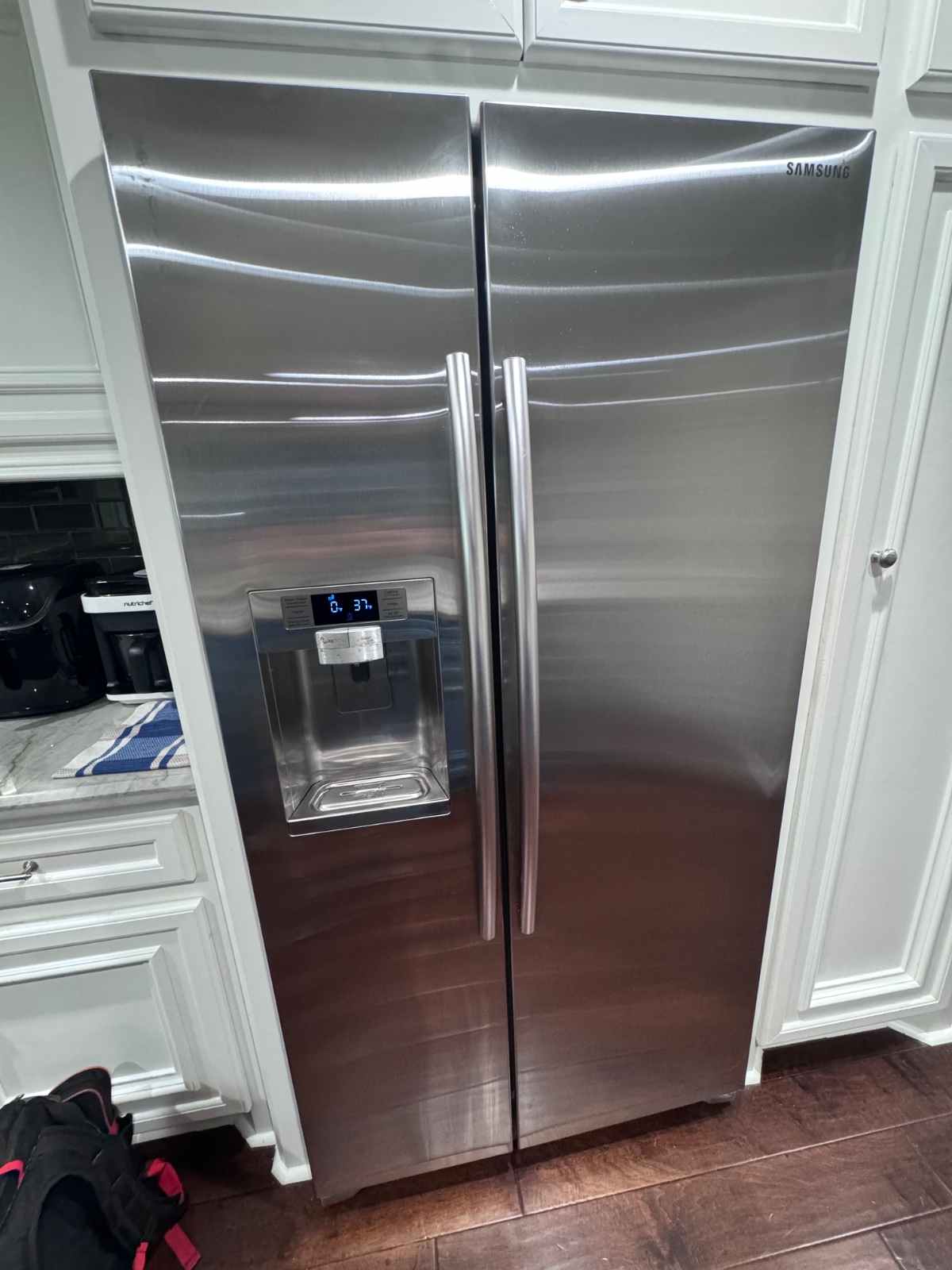
I repair refrigerators every day across Houston, Katy, Sugar Land, Cypress, Memorial, Spring, Richmond, and Fulshear. Over the years I have learned that many refrigerator problems can be narrowed down at home before a technician arrives. I put this guide together for homeowners who want to check a few things first and save time. These are the exact steps I walk through mentally when I pull up to a service call. Whether your refrigerator is a Sub-Zero, Samsung, LG, Whirlpool, GE, Viking, Bosch, KitchenAid, Thermador, or any other brand I service, the fundamentals are the same. Work through each section that matches your symptom and write down what you find.
Refrigerator Is Running but Not Cold Enough
Start with a thermometer. Place it inside the refrigerator compartment and check the reading after 15 minutes. A healthy refrigerator holds between 37 and 40 degrees Fahrenheit. The freezer should hold 0 degrees Fahrenheit. If both sections are warmer than those targets, listen near the bottom or back of the unit. You want to hear the compressor running. It sounds like a low hum or buzz. Next, look at the condenser coil area. On most refrigerators this is behind a grille at the bottom front or along the back of the unit. After a long Houston summer, I almost always find thick layers of dust and pet hair packed against those coils. Dirty condenser coils force the compressor to work harder and the refrigerator struggles to reach proper temperature. Pull the grille off and use a vacuum with a brush attachment to clean the coils. This one step fixes more warm refrigerator complaints than most homeowners expect. If the coils are clean and the compressor sounds like it is running normally but temperatures are still high, the problem likely lives somewhere inside the sealed refrigeration system or in the airflow path between the freezer and fresh food compartment.
Freezer Is Cold but Refrigerator Is Warm
This is one of the most common calls I get from homeowners in Memorial, Katy, and Spring. The freezer feels fine but the refrigerator section is warm or barely cool. Here is what to check first. Open the refrigerator and hold your hand near the air vents on the back wall or ceiling of the compartment. You should feel a steady flow of cold air. If you feel little or nothing, the evaporator fan motor may have failed or the evaporator coil in the freezer may be buried under a thick layer of ice. Now open the freezer and look at the back panel. If you see heavy frost or what looks like snow building up behind that panel, the automatic defrost system is not doing its job. Ice builds up on the evaporator coil and blocks airflow completely. Cold air cannot travel from the freezer into the refrigerator section. The defrost heater, defrost thermostat, or defrost control board may have failed. Some homeowners try to defrost the unit manually by unplugging it for 24 to 48 hours with the doors open. That can temporarily restore cooling, but the defrost system will fail again unless the faulty component gets replaced. I service these defrost system failures regularly on Whirlpool, Maytag, Kenmore, Frigidaire, and Electrolux refrigerators throughout the Houston area.
Refrigerator Runs Almost All the Time
A refrigerator that never stops running is working too hard. Houston heat and humidity already push residential refrigerators to their limits, especially after months of summer temperatures. Two things cause this more than anything else. First, check the door gasket. Close the refrigerator door on a dollar bill so the bill hangs halfway out. Pull the bill straight out. You should feel resistance. If the bill slides out with almost no resistance, the gasket is not sealing properly. Warm humid air leaks in constantly and the compressor never gets a break. Gaskets are replaceable. A worn gasket is one of the lower cost repairs I do. Second, clean the condenser coils if you have not done so recently. A refrigerator with dirty coils cannot shed heat efficiently. It runs longer cycles trying to compensate. On hot Houston days this problem gets worse fast. If the gasket seals well and the coils are clean but the compressor still runs non-stop, I look at the refrigerant charge, the thermistor sensors, and the control board. Those require proper testing equipment and should not be guessed at.
Water Under the Drawers or on the Floor
Water pooling inside the refrigerator under the crisper drawers almost always points to a clogged or frozen defrost drain. The defrost drain runs from the evaporator area down through a tube and into a drain pan under the refrigerator. When that drain freezes or clogs with food debris, water backs up and spills into the bottom of the compartment. Sometimes you can clear a frozen defrost drain by carefully pouring a small amount of warm water into the drain opening at the back of the freezer floor. Be gentle. Do not use sharp tools that could puncture the liner. Water on the floor behind the refrigerator tells a different story. Look at the ice maker supply line, the water inlet valve connection, and the water filter housing. A cracked supply line or a loose filter connection can drip slowly for weeks before you notice pooling on the floor. Pull the refrigerator away from the wall carefully and inspect all water connections with a flashlight. If you see active dripping or moisture on the back panel, turn the water supply off at the shutoff valve and call me. I handle water line repairs on refrigerators from brands including Dacor, Miele, Liebherr, Fisher and Paykel, Monogram, and Gaggenau in addition to the more common brands.
Ice Maker Stopped Making Ice
Before assuming the ice maker is broken, check these four things in order. First, confirm the ice maker arm or switch is in the ON position. It sounds obvious but I find this is the problem on a surprising number of calls. Second, verify the freezer temperature is actually at or below 0 degrees Fahrenheit. Ice makers stop cycling if the freezer is too warm. Third, check the water filter. A severely clogged filter restricts water flow enough to stop ice production entirely. Most manufacturers recommend replacing the filter every six months. Fourth, look at the fill tube above the ice maker. This small tube delivers water into the ice maker mold. It freezes shut more often than people realize. You can sometimes spot ice blocking it with a flashlight. If all four of those check out and the ice maker runs through a cycle but no water enters the tray, the water inlet valve is the likely culprit. That valve sits at the back of the refrigerator where the water supply line connects. It can fail electrically or mechanically. Testing it requires a multimeter and knowledge of the correct resistance values for your specific model. I carry water inlet valves for Scotsman, Ice-O-Matic, Hoshizaki, Manitowoc, and Everest commercial units in addition to residential brands, so I can often repair ice maker problems same day.
Refrigerator Is Clicking but Not Cooling
A repeated click followed by a pause and then another click near the compressor area is a specific symptom I take seriously. The compressor is trying to start, failing, and trying again. The start relay is a small component that plugs directly onto the compressor. It helps the compressor motor start each cycle. When the start relay fails, the compressor cannot start and you hear that clicking pattern. Removing the start relay and shaking it near your ear can help. A rattling sound inside the relay usually confirms it has failed. Replacing the start relay is one of the more affordable compressor area repairs. However, if the start relay tests good and the clicking continues, the compressor itself or the electronic inverter board may have failed. This is where I strongly recommend stopping the DIY process. Compressors and control boards need to be tested with proper equipment before replacement. Replacing a compressor based on a YouTube video and finding out the control board was actually the problem is an expensive mistake. I see this situation regularly when I get called to homes in Katy, Fulshear, Richmond, and Sugar Land after a homeowner has already ordered parts online.
Refrigerator Stopped Working After a Power Outage
Houston storms can knock out power for hours or days at a time. When the refrigerator stops working after power is restored, start with the basics. Check the breaker at your electrical panel. Reset it if it tripped. Check the outlet by plugging in something else like a lamp. If the outlet works and the breaker is on, give the refrigerator 10 to 15 minutes after power restoration. Some models have a built in delay before the compressor restarts. If the compressor and fans do not start within 20 minutes, a power surge may have damaged the main control board, the inverter board, or the compressor starting components. Surge damage is unfortunately common after Houston area storms. A surge protector rated for refrigerator use is worth adding if you do not already have one. Control board replacement is one of the repairs I do frequently, and pricing depends heavily on the model. Boards for premium brands like Sub-Zero, Thermador, Bertazzoni, Zline, and Jenn-Air tend to cost more than boards for standard models, but I stock a wide range and can often complete the repair on the first visit.
What to Have Ready Before You Call a Technician
Three pieces of information help me prepare for your service call before I arrive. First, find the model number. It is usually on a label inside the refrigerator door frame or along the side wall of the fresh food compartment. Second, check the actual temperatures inside both the refrigerator and freezer using a thermometer and write them down. Third, describe what you hear. Tell me whether the compressor is running, whether you hear a fan, whether there is clicking or buzzing, or whether the unit is completely silent. Those three details narrow down the likely cause significantly. I service refrigerators throughout Houston, Katy, Sugar Land, Cypress, Memorial, Spring, Richmond, and Fulshear. When you call, I can often give you a realistic idea of what the repair might involve based on your model number and symptoms. That saves us both time and helps you make an informed decision about whether to repair or replace.
Refrigerator Repair Pricing in Houston
My diagnostic fee is $89 and covers a thorough inspection of the unit at your home. I apply that fee toward the repair if you choose to move forward. Repair costs vary depending on the problem and the brand. Below is a general pricing table for the most common repairs I complete in the Houston area. These ranges reflect parts and labor together and represent typical cases. Unusual models, hard to source parts, or more complex failures may fall outside these ranges. I always explain the cost before I start any work.
Repair Costs in Houston
| Problem | Repair Cost (parts + labor) |
|---|---|
| Door gasket replacement | $120-$195 |
| Defrost drain cleaning or repair | $120-$220 |
| Evaporator fan motor replacement | $145-$280 |
| Defrost heater or thermostat replacement | $150-$290 |
| Water inlet valve replacement | $145-$265 |
| Start relay replacement | $120-$195 |
| Ice maker assembly replacement | $185-$350 |
| Main control board replacement | $220-$490 |
| Inverter board replacement | $230-$500 |
| Compressor replacement | $380-$587 |
| Condenser coil cleaning | $120-$160 |
| Diagnostic fee (applied to repair) | $89 |
Diagnostic fee: $89, applied toward any repair.
Areas We Serve
Not cooling? Call today.
Same-day service available. $89 diagnostic applied toward any repair.
Call 3463818094Frequently Asked Questions
How much does refrigerator repair cost in Houston?
The diagnostic fee is $89 and gets applied toward the repair. Most common repairs in Houston range from $120 to $587 depending on the part and the brand. Simple repairs like a door gasket or start relay fall on the lower end. Compressor and control board replacements fall on the higher end. I give you the full cost before starting any work.
Is it worth repairing a refrigerator or should I replace it?
The answer depends on the age of the refrigerator and the cost of the repair. A refrigerator under 10 years old is usually worth repairing unless the compressor has failed on a low end unit. Premium brands like Sub-Zero, Thermador, Viking, and Miele are worth repairing at higher cost because replacement costs are very high. I can help you think through the numbers after the diagnostic.
Why is my refrigerator running but not getting cold?
Dirty condenser coils are the most common cause I find in Houston homes, especially after summer. Dust and pet hair pack against the coils and prevent the refrigerator from shedding heat. A failed evaporator fan, a bad start relay, a defrost system failure, or low refrigerant are other causes. A proper diagnostic identifies the exact problem.
Why is my freezer cold but my refrigerator warm?
This almost always means the airflow between the freezer and refrigerator sections is blocked. The most common cause is a failed evaporator fan motor or a frozen evaporator coil caused by a defrost system failure. If you see heavy frost on the back wall of your freezer, the defrost system is not working properly. This is a repair I handle frequently across Houston and surrounding areas.
Can I repair my refrigerator myself?
Some things are safe to check at home, including cleaning condenser coils, checking the door gasket seal, replacing a water filter, and verifying the ice maker switch is on. Beyond that, refrigerator repairs involve refrigerant, high voltage components, and control boards that require proper testing equipment. Replacing parts based on guesswork can make the problem worse and cost more in the end.
How long does a refrigerator repair take in Houston?
Most repairs I complete on the first visit if I have the part on my truck. The diagnostic takes 30 to 60 minutes. Common repairs like a fan motor, start relay, defrost component, or water valve typically take one to two hours total. Control board and compressor replacements can take longer. I give you a time estimate after the diagnostic.